
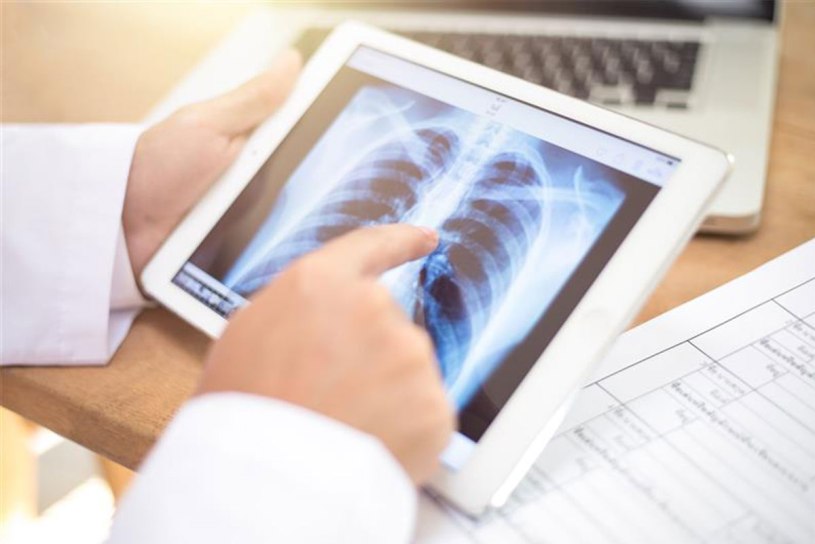
Lung cancer may progress silently with minimal or no symptoms in its early stages. This is one of the reasons that screening and early detection are so crucial, especially for those who are at a higher risk for the disease.
If you’re researching lung cancer screening and early detection Glendale, understanding who may benefit from it, what it entails, and why timing is so critical can help you have a more productive discussion with your doctor.
What Is Lung Cancer Screening?
Lung cancer screening is a test used to look for lung cancer in people who do not currently have symptoms but may have a higher risk of developing the disease.
The screening method recommended for people at increased risk is generally a low dose computed tomography scan, commonly called a low dose CT or LDCT.
Unlike a standard diagnostic CT, low dose CT screening uses a lower amount of radiation while creating detailed images of the lungs.
Screening is different from testing for symptoms. If someone has persistent symptoms such as coughing, coughing up blood, unexplained weight loss, chest discomfort, or shortness of breath, a doctor may recommend diagnostic testing rather than routine screening.
Who Should Consider Lung Cancer Screening?
Screening recommendations depend on factors such as age and smoking history.
The U.S. Preventive Services Task Force recommends annual lung cancer screening with low dose CT for adults between 50 and 80 years old who have a 20 pack year or greater smoking history and currently smoke or quit within the past 15 years.
A pack year is a way of measuring smoking exposure. For example, smoking one pack of cigarettes per day for 20 years equals 20 pack years.
Screening decisions should still be discussed with a healthcare professional because individual circumstances can differ.
Why Is Early Detection Important?
One of the biggest challenges with lung cancer is that symptoms may not appear until the disease has progressed.
Screening can identify suspicious changes or nodules before a person notices symptoms. When an abnormality is found, doctors can determine whether additional testing is necessary.
Early detection may give patients more treatment options depending on the type and stage of cancer.
It can also reduce uncertainty. Instead of waiting for symptoms to become more serious, people at higher risk can follow a structured screening plan with their healthcare team.
What Happens During a Lung Cancer Screening?
A low dose CT scan is generally a quick and noninvasive procedure.
The patient lies on a scanning table while the CT scanner creates detailed images of the lungs. Unlike many other medical procedures, screening does not require a biopsy or surgical incision.
The scan itself is usually completed quickly. A radiologist then reviews the images and reports any findings that require attention.
If the scan identifies a lung nodule or another abnormality, that does not automatically mean cancer.
Lung nodules can have several causes, including previous infections, inflammation, or scar tissue.
Depending on the size, appearance, and location of the finding, a doctor may recommend monitoring, additional imaging, or a procedure to obtain a tissue sample.
What Happens If a Lung Nodule is Found?
Finding a lung nodule can understandably cause concern, but not every nodule is cancerous.
Doctors evaluate several factors when deciding what to do next. These may include the size and appearance of the nodule, changes over time, smoking history, age, and other risk factors.
Some nodules may simply be monitored with follow up imaging.
If a nodule appears more concerning or requires a definite diagnosis, a physician may recommend a biopsy. Depending on the location of the nodule, minimally invasive procedures such as bronchoscopy may be considered.
The important thing is not to assume the worst after an abnormal scan. A nodule is a finding that requires evaluation, not automatically a cancer diagnosis.
Can Bronchoscopy Help With Early Detection?
Imaging tests, such as a CT scan, are another way to look at the lungs. Bronchoscopy allows doctors to look inside the airways of the lungs and, in the right patients, take tissue samples from suspicious areas. Interventional pulmonology specialists now offer robotic assisted bronchoscopy to assist physicians in guiding toward some peripheral lung nodules that may be hard to reach using traditional bronchoscopy.
The right diagnostic test to perform depends on the exact location of the abnormality and on each patient’s unique situation.
Patients who have been recommended for further testing can ask about their options with an interventional pulmonologist.
Why Choose an Experienced Pulmonary Specialist?
Lung cancer evaluation can involve several steps, from initial imaging to follow up scans, biopsy, diagnosis, and treatment planning.
An experienced pulmonary specialist can help patients understand what an abnormal scan means and determine whether additional evaluation is appropriate.
For people looking for lung cancer screening and early detection in Glendale, Dr. Ramyar Mahdavi provides specialized interventional pulmonary care. His clinical background includes advanced diagnostic procedures for pulmonary conditions.
Dr. Mahdavi previously established and directed the Interventional Pulmonology Program at Keck Hospital of USC and later joined Adventist Health Glendale. His practice focuses on interventional pulmonology and critical care medicine.
Having specialized care available locally can make it easier for patients to continue their evaluation when additional testing is recommended.
What Questions Should You Ask Your Doctor?
If you are considering lung cancer screening, prepare a few questions before your appointment.
You may want to ask:
- Am I eligible for annual lung cancer screening?
- What is my smoking history in pack years?
- Should I have a low dose CT scan?
- What happens if the scan finds a lung nodule?
- Will I need additional imaging?
- Would a biopsy be necessary?
- What symptoms should I watch for?
- How often should I return for screening?
These questions can help you understand your individual risk and what happens after the screening process.
Is Lung Cancer Screening Right for Everyone?
No. Screening is intended for people who meet specific risk criteria. It is not generally recommended as a routine test for every adult.
Screening also involves potential downsides, including false positive findings, incidental findings, follow up testing, and exposure to a small amount of radiation.
That is why the decision should be made with a healthcare professional who can consider your age, smoking history, overall health, and personal preferences.
Take Lung Health Seriously
If you have a history of smoking or other lung cancer risk factors, do not wait until you have symptoms to speak with your healthcare provider about your screening options. Lung cancer screening and early detection Glendale can enable eligible individuals to discover abnormal lung changes earlier, allowing for a greater range of potential interventions. A simple low dose CT scan is only the first step, and an experienced pulmonary specialist can guide you on your next step if an abnormality does show up.
If you reside in or near Glendale and you believe you might be at risk for lung cancer screening, talk to your doctor to see if you qualify.
The more informed you are about your lung health, the better off you will be about making an educated decision based on your risk.

