
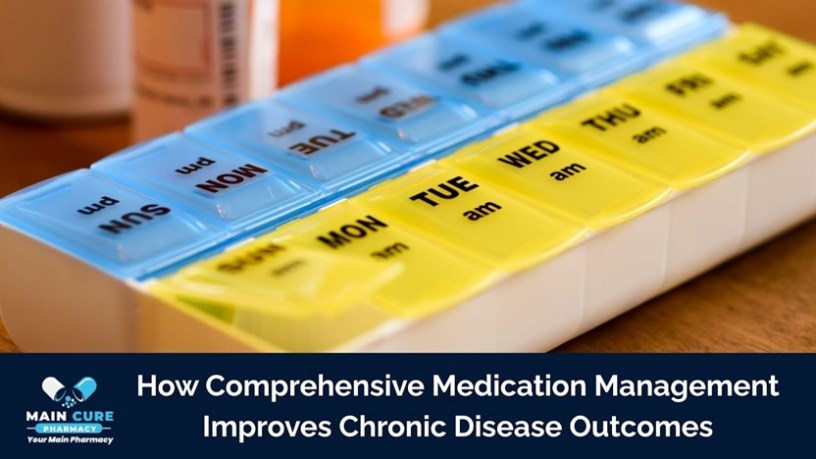
How Does Comprehensive Medication Management Improve Chronic Disease Outcomes?
Comprehensive medication management helps patients control chronic diseases by optimizing prescriptions, improving adherence, and preventing complications. Through pharmacist-led collaboration and personalized care, these programs transform long-term health outcomes and patient quality of life.
What is Comprehensive Medication Management?
Medicine management services are structured programs designed to ensure every medication a patient takes is safe, effective, and necessary. These services go beyond basic prescription refills — they involve detailed medication reviews, coordination with healthcare providers, and ongoing patient education.
The goal of comprehensive medication management is to prevent adverse drug reactions, improve treatment results, and reduce hospital readmissions for patients with chronic conditions such as diabetes, hypertension, heart disease, or asthma.
The Role of Pharmacists in Chronic Disease Care
Pharmacists play a central role in comprehensive medication management. They don’t just dispense medications — they act as medication experts who evaluate prescriptions, monitor side effects, and work closely with physicians to ensure therapy is safe and effective.
By reviewing medication lists and lab results, pharmacists can identify issues such as duplicate therapies, drug interactions, or missed doses. This proactive approach supports chronic disease management by keeping treatment plans aligned with patient progress.
Personalized Medication Plans for Better Results
A key aspect of personalized medication plans is customization. No two patients are alike — and neither should their medication regimens be. Pharmacists use these plans to tailor dosages, scheduling, and medication combinations based on individual needs and conditions.
This level of personalization helps minimize side effects, enhance adherence, and improve overall outcomes for patients managing chronic illnesses.
How Medication Management Improves Health Outcomes
Comprehensive medication management programs are proven to improve health outcomes by ensuring medications are used properly and effectively. When pharmacists and physicians collaborate, patients benefit from fewer hospital visits, lower healthcare costs, and a stronger sense of control over their health.
Studies show that patients who participate in ongoing medication therapy management are more likely to reach treatment goals — whether it’s stabilizing blood sugar, lowering blood pressure, or managing cholesterol levels.
Addressing Adherence and Education
Medication adherence — consistently taking medications as prescribed — is one of the most significant challenges in chronic disease management. Many patients forget doses, misunderstand instructions, or stop medications early due to side effects.
Through medicine management services, pharmacists educate patients about how and when to take their medications, potential side effects, and what to do if they miss a dose. This improves confidence and encourages long-term compliance.
Optimizing Medication Use for Chronic Conditions
One of the main goals of optimizing medication use is ensuring patients receive maximum therapeutic benefit with minimal risk. Pharmacists assess treatment efficacy and collaborate with doctors to adjust medications as needed — especially for complex regimens involving multiple prescriptions.
These ongoing evaluations reduce medication-related problems and promote better outcomes for chronic illnesses, helping patients lead healthier, more active lives.
The Benefits of Pharmacist-Led Care
Pharmacist-led care brings many advantages to chronic disease management:
- Improved safety: Prevents harmful drug interactions or duplications.
- Better coordination: Ensures clear communication among healthcare providers.
- Enhanced education: Patients better understand their therapy and condition.
- Reduced costs: Avoids unnecessary medications and hospitalizations.
By emphasizing collaboration and communication, pharmacist-led care enhances the overall efficiency of healthcare systems and patient satisfaction.
Patient-Centered Pharmacy Services and Support
At the heart of patient-centered pharmacy services is empathy. Pharmacists spend time listening to patients, understanding their barriers, and tailoring solutions to fit their lifestyles. This relationship-based approach fosters trust and better communication, which are vital for managing lifelong conditions.
Pharmacies like Main Cure Pharmacy in Clifton, NJ, provide local access to medicine management services, offering personalized consultations, medication reviews, and ongoing monitoring. These programs help patients stay on track with their treatment goals while feeling supported by a caring healthcare team.
Comprehensive Medication Management in Action
Here’s how the process typically works for someone with multiple chronic conditions:
- Medication Review: A pharmacist reviews all current prescriptions, supplements, and over-the-counter drugs.
- Assessment: Identifies unnecessary or conflicting medications.
- Optimization: Adjusts doses or substitutions to improve outcomes.
- Education: Provides detailed counseling on correct usage.
- Follow-Up: Monitors progress and makes changes as health needs evolve.
This comprehensive, ongoing process ensures patients achieve and maintain stability in their chronic disease management.
Final Thoughts
Comprehensive medication management is more than a pharmacy service — it’s a life-improving healthcare strategy. By integrating medicine management services into chronic care, patients receive personalized, evidence-based support that enhances safety, reduces complications, and leads to measurable improvements in their quality of life.
With consistent pharmacist collaboration, education, and attention, chronic diseases become manageable, predictable, and less disruptive — giving patients the confidence to live healthier, more independent lives. Learn more about medication management services at Main Cure Pharmacy in Clifton, NJ.
FAQ
What is comprehensive medication management?
It’s a patient-centered approach that ensures all medications are appropriate, effective, and safe through ongoing pharmacist collaboration.
Who benefits most from medication management?
Patients with chronic conditions like diabetes, hypertension, heart disease, or asthma benefit the most from these programs.
How do pharmacists help manage chronic diseases?
Pharmacists monitor therapy effectiveness, prevent drug interactions, and adjust treatments with doctors for improved outcomes.
How often should medication reviews be done?
Patients on multiple prescriptions should have reviews at least twice a year or after any major health change.
What’s the difference between medication therapy management and comprehensive medication management?
Medication therapy management focuses on specific medications, while comprehensive medication management covers the entire treatment plan.
How does medication management improve adherence?
Through education, reminders, and personalized counseling, patients better understand their treatments and follow them consistently.
Where can I find medication management services near me?
Local community pharmacies like Main Cure Pharmacy in Clifton, NJ, offer trusted medication management programs to help patients manage chronic conditions effectively.
Can medication management services reduce hospital visits?
Yes, medicine management services help prevent complications, detect potential drug issues early, and ensure proper adherence — significantly reducing hospital visits and emergency care needs.
Do medicine management services work for patients taking multiple medications?
Absolutely. Medicine management services are especially beneficial for patients on multiple prescriptions, helping to prevent drug interactions and ensure each medication works safely and effectively together.
 Wellness Wave Health Blog