
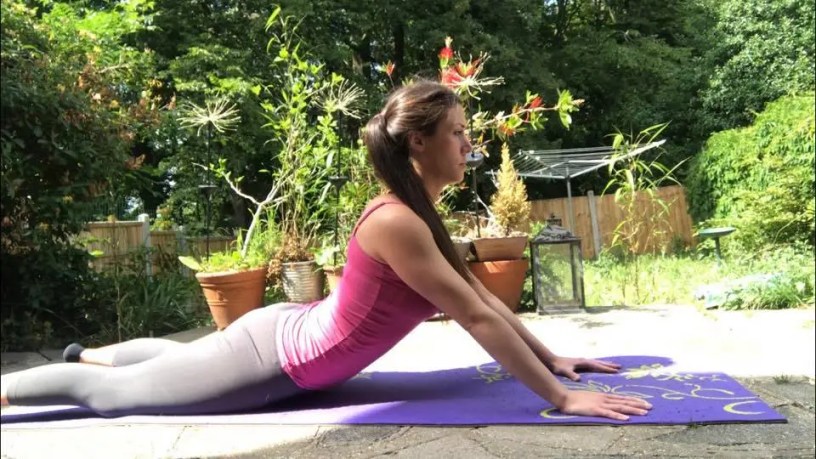
Lifestyle diseases such as diabetes, hypertension, and obesity are becoming more common in urban environments. Singapore, with its long working hours, fast-paced routines, and convenience-driven eating habits, is not immune to these challenges. Many people turn to medication as the first line of defence, but a growing number are discovering that preventive practices like yoga classes Singapore provide sustainable, long-term solutions. By addressing both the physical and mental causes of these conditions, yoga offers a holistic path to prevention and health maintenance.
Understanding Lifestyle Diseases in Singapore
Lifestyle diseases are often called “silent killers” because they develop gradually over years of unhealthy habits. Poor diet, lack of exercise, chronic stress, and insufficient sleep are key contributors. In Singapore, these conditions are on the rise due to an increase in sedentary jobs, easy access to processed foods, and high stress levels in professional life.
Yoga does not simply treat symptoms. Instead, it empowers individuals to restore balance in their body and mind, which prevents these conditions from progressing. Regular practice creates awareness of habits, helping people make better choices in nutrition, movement, and stress management.
Yoga and Diabetes Prevention
Type 2 diabetes is strongly linked to lifestyle factors, particularly poor diet and inactivity. Yoga helps prevent or manage diabetes in multiple ways:
-
Improved insulin sensitivity: Certain postures stimulate the pancreas, improving insulin regulation.
-
Weight management: Consistent practice supports fat metabolism, reducing the risk of obesity-related diabetes.
-
Stress reduction: Stress hormones like cortisol can increase blood sugar levels. Yoga lowers cortisol, indirectly protecting against diabetes.
Simple practices like seated twists, forward bends, and pranayama are effective for maintaining healthy blood sugar levels. Over time, practitioners often notice improved energy levels and fewer sugar cravings, which lowers long-term risk.
Yoga and Hypertension Control
High blood pressure is another common concern in Singapore. Sedentary lifestyles, coupled with stress and unhealthy food habits, put strain on the cardiovascular system. Yoga acts as a natural therapy for hypertension:
-
Breath regulation: Practices such as alternate nostril breathing calm the nervous system and stabilise blood pressure.
-
Gentle asanas: Poses like Bridge Pose and Legs-Up-the-Wall encourage relaxation and reduce arterial tension.
-
Mindfulness practices: Meditation and guided relaxation lower anxiety, which is a major contributor to hypertension.
For busy Singaporeans, attending regular yoga classes becomes a reliable way to reset the body and counter the harmful effects of a stressful work culture.
Combating Obesity Through Yoga
Obesity is not only a risk factor for diabetes and hypertension but also contributes to joint issues and reduced vitality. While high-intensity workouts are often prescribed, yoga provides a safer and more sustainable approach. It encourages mindful eating, improves digestion, and strengthens muscles without overwhelming the joints.
Yoga also addresses the emotional aspects of obesity. Many people overeat due to stress or boredom. Through mindfulness practices, yoga builds awareness of hunger cues and reduces emotional eating. This makes it easier to maintain a healthy weight without drastic diets.
Preventing Stress-Related Disorders
Stress is at the core of many lifestyle diseases. It weakens immunity, disrupts sleep, and fuels unhealthy coping mechanisms. Singapore’s competitive culture often leaves individuals with little time to unwind, which makes stress management essential.
Yoga offers a multi-layered approach to stress reduction:
-
Physical release: Asanas stretch tight muscles and improve circulation.
-
Mental calm: Breath-focused practices quieten the mind, lowering stress levels.
-
Emotional balance: Meditation teaches detachment from worries and creates resilience.
Practitioners often find that their sleep quality improves, anxiety decreases, and their overall mood becomes more stable. This has a direct impact on reducing the risk of stress-related disorders like depression and insomnia.
Yoga as a Tool for Holistic Wellness
The unique strength of yoga lies in its ability to integrate physical health with mental and emotional balance. Unlike conventional exercise, which focuses primarily on the body, yoga unites breath, posture, and awareness. This synergy makes it particularly powerful in preventing lifestyle diseases.
A single yoga class can include physical stretches, breathing practices, and guided meditation, all of which target different dimensions of wellbeing. Over time, this holistic approach ensures that practitioners are not just fit but also mentally and emotionally resilient.
Why Prevention is Better Than Cure
Medical treatments can manage lifestyle diseases but rarely address their root causes. Once a condition like hypertension or diabetes develops, it often requires lifelong management. Preventive practices like yoga are cost-effective and sustainable, helping individuals avoid the long-term burden of medication and frequent medical visits.
For working adults in Singapore, this is particularly valuable. Rather than waiting for health issues to appear, engaging in regular yoga classes is a proactive step toward safeguarding long-term health and productivity.
Community Support and Accountability
Attending yoga classes in Singapore offers more than individual practice. It provides accountability, structure, and encouragement from a community. Being part of a group fosters consistency, which is essential for preventive health. The shared environment also creates opportunities to learn from experienced instructors, ensuring safe practice and gradual progression.
This sense of connection reduces the isolation that often accompanies modern urban life, and it motivates practitioners to prioritise their health even when schedules are demanding.
Integrating Yoga with Everyday Habits
While yoga is powerful on its own, combining it with healthier daily choices amplifies results. For example:
-
Pairing yoga with a balanced diet rich in fresh fruits and vegetables.
-
Ensuring sufficient hydration to support detoxification.
-
Practising mindfulness during meals to avoid overeating.
-
Scheduling yoga sessions consistently rather than treating them as occasional activities.
These small adjustments create a lifestyle that naturally prevents disease progression.
The Importance of Consistency
The benefits of yoga are cumulative. Practising once a month is unlikely to create measurable results. However, attending structured sessions multiple times a week ensures that the body and mind adapt to new habits. Consistency transforms yoga from a form of exercise into a preventive healthcare routine.
Even short daily practices at home can make a difference when paired with guided classes. For Singapore residents with busy schedules, this flexibility ensures that yoga remains accessible.
Long-Term Vision of Health with Yoga
Adopting yoga as a preventive practice means looking at health not just in terms of years but in terms of quality of life. The goal is not only to live longer but also to live with vitality, mobility, and peace of mind. By embracing yoga early, individuals reduce the risk of conditions that often limit life in later years.
This proactive approach aligns with Singapore’s broader push for preventive healthcare, where wellness practices reduce strain on the healthcare system and improve community wellbeing.
A Trusted Guide for Singapore Residents
Choosing the right environment to practise yoga is important for sustainability. A professional studio provides structure, safe progression, and encouragement. This is why many turn to Yoga Edition, where expert guidance ensures that yoga becomes a consistent part of lifestyle rather than a temporary trend. A supportive community and well-designed classes make the journey enjoyable and motivating.
Frequently Asked Questions
Q1. Can yoga really prevent diseases like diabetes and hypertension?
Yes. Yoga regulates blood sugar, supports weight management, improves cardiovascular health, and lowers stress, all of which reduce the risk of developing these diseases.
Q2. How often should I attend yoga classes to see preventive benefits?
At least two to three times per week is recommended for measurable results. Pairing classes with short home practices enhances effectiveness.
Q3. Is yoga enough on its own, or do I need other forms of exercise?
Yoga can be comprehensive if practised regularly, but many people combine it with walking, cycling, or swimming for variety. The key is consistency.
Q4. Can beginners with no prior fitness background join yoga classes for prevention?
Absolutely. Yoga is highly adaptable. Beginners can start with gentle classes and progress gradually under instructor guidance.
Q5. How does yoga help people manage stress differently from regular exercise?
While exercise burns stress hormones physically, yoga combines movement with breath and mindfulness, addressing both the body and the mind. This deeper approach offers longer-lasting stress relief.
 Wellness Wave Health Blog