
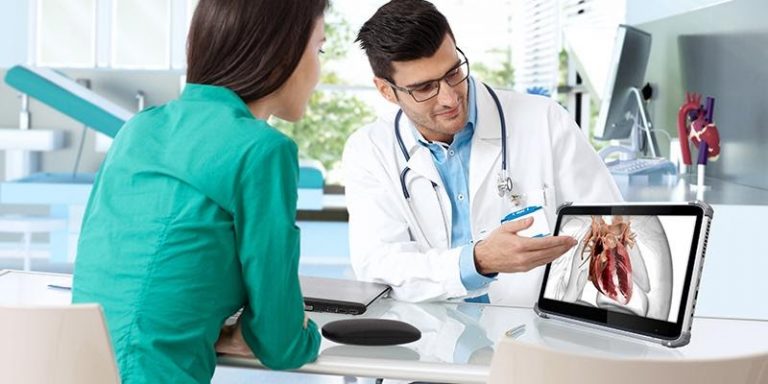
In the modern healthcare landscape, technology plays a crucial role in enhancing patient care and improving outcomes. From advanced diagnostic tools to streamlined communication systems, technological innovations have transformed how doctors diagnose, treat, and manage patient health. This article explores the various ways doctors leverage technology to provide superior care and improve the overall healthcare experience.
Electronic Health Records (EHRs)
One of the most significant advancements in medical technology is the adoption of Electronic Health Records (EHRs). EHRs are digital versions of patients’ medical histories and are accessible to authorized healthcare providers across different settings. They offer a comprehensive view of a patient’s medical history, including previous diagnoses, treatments, allergies, and medication lists.
EHRs improve the efficiency of patient care by allowing doctors to quickly access and update patient information. This accessibility reduces the risk of errors and ensures that all members of a patient’s healthcare team are on the same page. Moreover, EHRs facilitate better coordination of care, as they enable doctors to easily share information with specialists and other healthcare providers involved in a patient’s treatment.
Telemedicine
Telemedicine has become increasingly prevalent, especially in the wake of the COVID-19 pandemic. This technology enables doctors to conduct remote consultations with patients via video calls, phone calls, or secure messaging. Telemedicine offers several benefits, including increased accessibility for patients in remote or underserved areas, reduced travel time, and the ability to receive timely medical advice.
For doctors, telemedicine provides a convenient way to manage routine follow-ups, discuss test results, and address non-emergency concerns without requiring patients to visit the office in person. It also allows for flexible scheduling and helps to reduce the burden on healthcare facilities by decreasing the volume of in-person visits.
Advanced Diagnostic Tools
Technological advancements have greatly enhanced diagnostic capabilities. Tools such as advanced imaging technologies (e.g., MRI, CT scans, and PET scans) provide detailed views of internal structures and help doctors make more accurate diagnoses. These imaging technologies can identify abnormalities, monitor disease progression, and guide treatment decisions.
Additionally, diagnostic tools like genetic testing and molecular diagnostics have revolutionized personalized medicine. By analyzing a patient’s genetic makeup or biomarkers, doctors can tailor treatments to individual needs, predict disease risk, and select the most effective therapies.
Wearable Health Devices
Wearable health devices, such as fitness trackers and smartwatches, have become popular tools for monitoring health metrics in real-time. These devices can track various parameters, including heart rate, physical activity, sleep patterns, and even blood glucose levels.
For doctors, wearables provide valuable data that can be used to monitor chronic conditions, detect early signs of potential health issues, and promote preventive care. The continuous data collected by these devices allows doctors to gain insights into a patient’s daily habits and make more informed recommendations for lifestyle changes and treatment adjustments.
Artificial Intelligence (AI) and Machine Learning
Artificial Intelligence (AI) and machine learning are increasingly being integrated into healthcare to enhance diagnostic accuracy and streamline clinical workflows. AI algorithms can analyze large volumes of medical data, identify patterns, and assist in decision-making processes.
For example, AI-powered imaging software can detect anomalies in medical images with high precision, helping radiologists and doctors diagnose conditions more accurately. Machine learning models can also predict patient outcomes, optimize treatment plans, and identify potential risk factors based on historical data.
Robotic Surgery
Robotic surgery has revolutionized minimally invasive procedures by offering greater precision and control. Robotic systems enable surgeons to perform complex operations through small incisions, resulting in reduced postoperative pain, shorter recovery times, and improved outcomes.
Robotic surgical systems provide enhanced visualization and dexterity, allowing surgeons to execute delicate procedures with greater accuracy. These systems are used in various specialties, including urology, gynecology, and orthopedics, and have become a valuable tool in modern surgical practice.
Mobile Health Applications
Mobile health applications (mHealth apps) are another technological advancement that supports patient care. These apps offer a wide range of functions, including appointment scheduling, medication reminders, health tracking, and educational resources.
For doctors, mHealth apps can facilitate better patient engagement and adherence to treatment plans. Patients can use these apps to monitor their symptoms, track medication usage, and access educational materials, which can enhance their understanding of their health conditions and improve their ability to manage their care.
Data Security and Privacy
With the increased use of technology in healthcare, ensuring data security and privacy has become a top priority. Advanced cybersecurity measures are implemented to protect patient information and maintain the confidentiality of medical records. This includes encryption, secure access controls, and regular system audits.
Doctors and healthcare organizations must adhere to strict regulations and standards to safeguard patient data and prevent unauthorized access. Ensuring data security is essential for maintaining trust between patients and their healthcare providers.
Enhancing Patient Engagement
Technology also plays a role in enhancing patient engagement by providing tools for communication and education. Patient portals, for example, allow patients to access their health information, review test results, and communicate with their healthcare providers online. This increased transparency and accessibility empower patients to take an active role in their healthcare and make informed decisions.
Conclusion
The integration of technology into healthcare has transformed the way doctors provide patient care, offering new tools and approaches to enhance diagnosis, treatment, and management. From electronic health records and telemedicine to advanced diagnostic tools and wearable devices, technology continues to improve the efficiency and effectiveness of medical practice. By leveraging these advancements, doctors can deliver more personalized, timely, and effective care, ultimately benefiting patients and the healthcare system as a whole.
 Wellness Wave Health Blog